
You’re experiencing fatigue. Your mood varies. You’re noticing weight changes. Your skin appearance concerns you. And you’re looking for answers.
If these experiences sound familiar, exploring your hormonal health through testing might provide clarity.
Hormone testing is one of those things that sounds complicated, but it doesn’t have to be. In this guide, we’re breaking down exactly how hormone testing works, what doctors are actually looking for, and the options available to you.
What Exactly Are Hormones and Why Do They Matter?
Hormones are chemical messengers in your body. They influence metabolism, mood, sleep patterns, weight, and many other bodily functions.
When your hormones are balanced, many people report feeling well. When they’re not, people often seek answers.
Women and men both may experience hormonal changes, but the symptoms and causes can be different. Women may experience perimenopause or menopause. Men may experience changes in testosterone levels. Both may seek testing and guidance.
Common Reasons People Seek Hormone Testing
Before you get tested, it helps to know what you’re actually looking for. Your body may be signaling that testing could be helpful.
Related: Menopause Hormone Therapy in Cypress, TX: What You Need to Know
Related: IV Hydration Therapy in Cypress TX: What You Need to Know
- Persistent fatigue
- Weight changes that don’t match your habits
- Mood changes or emotional fluctuations
- Hot flashes, night sweats, or temperature changes
- Skin changes, hair changes, or acne
- Changes in libido or sexual function
- Difficulty concentrating or mental fog
- Irregular periods or missed periods
- Sleep disturbances
If a few of these sound like your experience, hormone testing might provide answers.
How Hormone Testing Actually Works
The next step: consult with a qualified healthcare provider such as Atreum Health.
Blood Tests for Hormone Measurement
When you get hormone testing done, a blood test measures hormone levels from your endocrine glands. Blood tests provide measurable data about your hormonal status.
Your doctor will order specific tests based on your symptoms and health history. They will listen to what you’re experiencing and determine which tests are appropriate.
Timing Considerations
When you get tested can affect your results, especially for women.
For women, estrogen testing may be scheduled on cycle days 3-5. Progesterone testing may be scheduled about 7 days before your expected period. Your healthcare provider will advise you on proper timing for your specific tests.
This is why working with a medical practice that understands testing protocols is important. They will ensure proper timing for accurate results.
Physical Exam and Your Health History
A comprehensive evaluation includes a review of your symptoms, health history, and physical exam.
Physical observations and your reported symptoms help guide which specific tests to order. A complete picture of your health informs the testing approach.
What Tests Are Most Common?
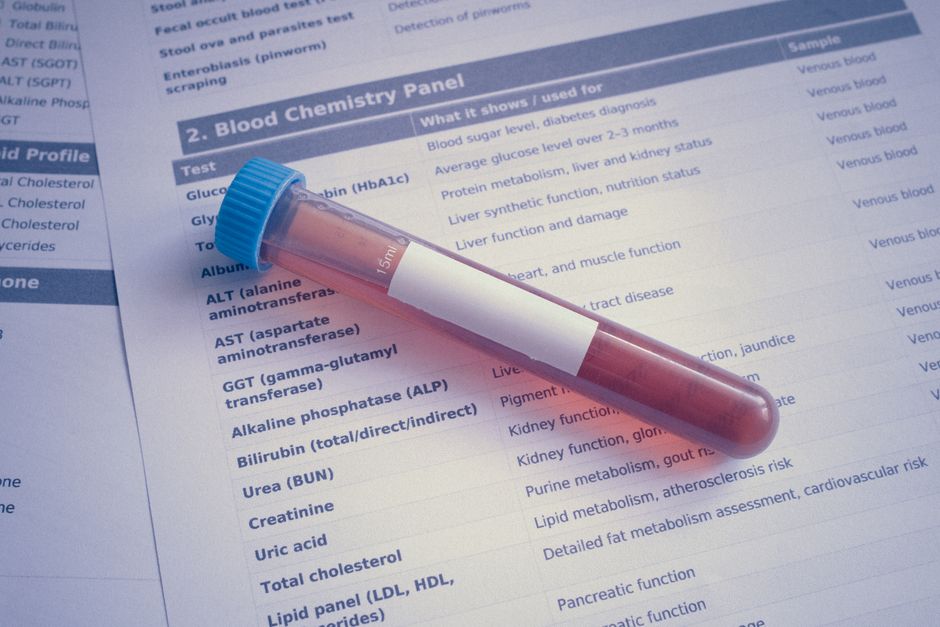
Depending on your symptoms and situation, your doctor may order any of these tests.
For Women
- Estrogen and progesterone levels
- FSH and LH (follicle-stimulating hormone and luteinizing hormone)
- Thyroid function tests
- DHEA levels
- Cortisol
These tests provide information about your hormonal status and may help identify perimenopause, menopause, fertility-related concerns, or thyroid function.
For Men
- Total testosterone
- Free testosterone
- PSA levels
- Thyroid function
- Prolactin
Testosterone levels can change over time, and testing provides measurable data about your hormonal status.
Different Testing Options: What’s Available to You
You have options for how to get tested. Let’s discuss what’s available.
In-Person Testing at a Medical Practice
You can visit a doctor’s office for blood work and professional evaluation of your results. A licensed clinician reviews your symptoms, determines which tests are appropriate, and discusses findings with you.
Working with a healthcare provider allows for professional interpretation of your results and discussion of next steps.
At-Home Testing Kits
Direct-to-consumer hormone testing is available online. You can order tests and have them completed at nearby lab locations.
You will need a healthcare provider to interpret the results and discuss what they mean for you. Testing alone does not provide guidance on next steps.
Hormone Testing and Next Steps
Once you have test results, you can discuss them with your healthcare provider to determine next steps.
Bioidentical Hormone Therapy
For both women and men, bioidentical hormone therapy is an option that may be discussed with your doctor. Your healthcare provider will evaluate whether this approach is appropriate for your individual situation based on your test results and health history.
Related: Bioidentical Hormone Pellets for Women: What You Need to Know
Testosterone Replacement for Men
If your testosterone levels are below normal range and you wish to explore options, testosterone therapy is available. Your doctor will monitor your health during treatment.
Related: Hormone Pellet Therapy for Men: What You Need to Know
Treatment decisions are made between you and your healthcare provider based on your individual circumstances.
Menopause and Women’s Health Management
Menopause is a natural life stage. There are medical options available to discuss with your healthcare provider.
The appropriate approach depends on your specific hormone levels, your symptoms, and your health history. Your doctor will discuss options with you.
Lifestyle and Additional Support
Diet, physical activity, and sleep all play a role in overall health. Your doctor may discuss these factors with you.
Your doctor might also recommend IV hydration, iron infusion therapy, or IM injections depending on your individual needs.
Why Working With a Medical Professional Makes a Difference

A licensed clinician who specializes in hormone testing will provide professional interpretation of your results. They understand testing protocols and can discuss your results in context with your symptoms.
A healthcare provider can discuss available options and help you make informed decisions about next steps.
What to Expect When You Get Tested
Your first appointment typically includes a consultation where your doctor reviews your symptoms and medical history. They will ask questions about your health and experiences.
Your doctor will then order appropriate tests. You’ll have your blood drawn at a lab. Results come back after a few days, and you’ll meet with your doctor to discuss the findings.
From there, your doctor will discuss options based on your individual situation and test results.
Questions to Ask Your Doctor
When you’re getting hormone testing done, consider asking these questions:
- Which specific hormones are you testing and why?
- When should I get tested?
- How long until I get results?
- What do my specific results mean?
- What options are available to discuss?
- How will you monitor my progress?
A good doctor will answer your questions and discuss your concerns.
The Bottom Line
Hormone testing can provide clarity about your health. You don’t have to continue guessing about what’s happening in your body.
Get tested by a qualified healthcare professional. Understand your results. Work with your doctor to discuss options. And follow your doctor’s guidance.
FAQs About Hormone Testing
How long does hormone testing take?
The actual blood draw takes a few minutes. You’ll get results back within a few days after the lab processes them. The whole process from first appointment to results discussion usually takes about 1-2 weeks, depending on the clinic’s schedule.
Is hormone testing painful?
It’s a regular blood draw. If you have concerns about needles, let the lab tech know and they can assist you.
Can I eat or drink before a hormone test?
It depends on which tests you’re getting. Some tests may require fasting, others may not. Your doctor will provide specific instructions when you schedule your appointment.
How often should I get retested after starting treatment?
Your doctor will determine an appropriate monitoring schedule based on your individual situation and treatment plan.