
Hormone health for Men
Did you know men begin losing around 1% of their testosterone every year after turning 30? This natural decline can affect your energy, mood, muscle strength, and even focus.
At Atreum Health, our hormone telehealth services help men regain balance, energy, and confidence through convenient, personalized virtual care. Hormonal changes can impact mood, focus, sleep, and overall vitality. Through secure online consultations, our specialists evaluate your symptoms, review lab results, and develop a hormone care plan tailored to your needs. With continuous support and remote monitoring, you can restore your health and well-being—all from the comfort of home.
What Is Hormone health for Men?
Hormone health for Men refers to the process of diagnosing, managing, and treating hormone-related health issues through virtual consultations rather than in-person clinic visits.
It allows men to connect with licensed healthcare professionals online to address symptoms related to hormonal imbalances—most commonly low testosterone (Low T) or other endocrine issues affecting energy, mood, sleep, libido, or weight.

What You Should Know About Low Testosterone (Low T) in Men
Men can experience low testosterone for a variety of reasons. In some cases, it’s a natural occurrence certain men are simply born with lower-than-average testosterone levels.
As men age, testosterone production naturally declines, typically beginning around the age of 30. Older men are also more likely to develop health conditions that can affect hormone production and balance, further contributing to low testosterone levels.
How Common is Low Testosterone in Men?
Low testosterone, also known as hypogonadism, is more common than many realize. Studies show that testosterone levels begin to gradually decline by about 1% per year after age 30. It’s estimated that up to 40% of men over the age of 45 have lower-than-normal testosterone levels.
While age is a major factor, low testosterone can also affect younger men due to stress, obesity, poor sleep, chronic illness, or certain medications. Because symptoms can develop gradually, many men may not recognize them right away or may attribute them to aging or lifestyle factors.
Regular hormone testing and evaluation can help identify imbalances early, allowing for personalized treatment options to restore energy, mood, and vitality.
Causes of Low T in Men
Low testosterone, also known as hypogonadism, can be classified into two main types: primary and secondary.
Primary hypogonadism occurs when the testes fail to produce adequate amounts of testosterone. Causes may include congenital conditions such as Klinefelter’s syndrome, testicular injury, anabolic steroid use, or certain tumors affecting testicular function.
Secondary hypogonadism results from issues in the pituitary gland or hypothalamus, which regulate hormone production.
This form can be congenital or acquired later in life due to factors such as kidney failure, chronic alcohol use, liver cirrhosis, uncontrolled diabetes, or obesity. Experts have noted a strong connection between excess body fat and reduced testosterone levels.
A third type, known as late-onset hypogonadism (LOH), is commonly associated with aging and is more prevalent in overweight older men.
Symptoms of Low Testosterone in Men
Low testosterone (Low T) can lead to a wide range of physical, mental, and emotional symptoms, including:
Reduced sex drive (low libido)
Erectile dysfunction (ED)
Enlarged breast tissue (gynecomastia)
Hot flashes or night sweats
Increased body fat and weight gain
Mood swings, irritability, or depression
Because these symptoms can develop gradually, many men may not recognize them as signs of hormonal imbalance. A simple hormone test can help determine whether low testosterone is the cause.
Long-Term Health Risks of Low Testosterone in Men
If left untreated, low testosterone can lead to several long-term health complications. Men with low testosterone are more likely to experience weight gain and loss of muscle strength, both of which can increase the risk of cardiovascular disease and type 2 diabetes.
Low testosterone levels can also contribute to decreased bone density, making men more susceptible to osteoporosis — a serious condition that weakens bones and raises the likelihood of fractures.
Addressing low testosterone early can help prevent these complications and support long-term physical and metabolic health.
Key Aspects of the Well Woman Exam
Comprehensive Health Assessment:
A well woman exam includes a thorough review of your medical history and a discussion of any current health concerns.
Physical Examination:
A physical examination of the pelvic region and breast is performed to assess the health of your reproductive organs and breast tissue.
Pelvic Exam
Depending on your age, a pelvic examination may be conducted to check the health of your uterus, ovaries, and cervix. This is often combined with a Pap smear to screen for cervical cancer.
Cancer Screening:
- Depending on your age and risk factors, you may undergo additional cancer screenings such as mammograms for breast cancer and bone density scans for osteoporosis.
- You may also be a candidate for genetic screening due to your family history of various female cancers.
Breast Examination:
A breast examination is performed to detect any unusual lumps or changes in breast tissue, which can aid in early detection of breast cancer.
Contraceptive Counselling
The well woman exam provides an opportunity to discuss contraception, family planning, and reproductive health.
Screening for Sexually Transmitted Infections (STIs):
- Testing for STIs may be included in your well woman exam, and appropriate counseling and treatment will be provided if needed.
- Menopause Care including Hormone Replacement Therapy (HRT)
- Menopause Care: Navigating the Journey with Confidence
- We recognize that menopause is a natural and transformative phase in a woman’s life. Our dedicated team is committed to providing compassionate and comprehensive menopause care to support you during this transition.
Thyroid Dysfunction in Men
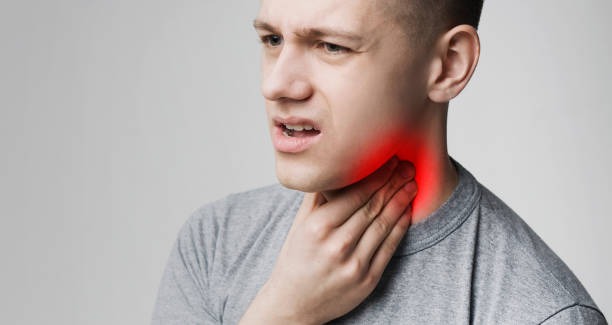
Thyroid dysfunction can sometimes contribute to hormonal imbalance in men. The thyroid gland, located in the center of the neck, plays a key role in regulating metabolism, energy levels, and hormone production throughout the body.
When the thyroid fails to function properly, it may produce either too little or too much thyroid hormone. These conditions are known as hypothyroidism (underactive thyroid) and hyperthyroidism (overactive thyroid), both of which can disrupt overall hormonal balance and affect a man’s health and vitality.

Symptoms of Hypothyroidism (Low Thyroid) in Men
The most common symptoms of hypothyroidism, or low thyroid function, include:
- Fatigue and low energy
- Hair loss or thinning hair
- Memory loss or cognitive decline
- Joint pain and stiffness
- Depressed mood
- Muscle aches or weakness
- Unexplained weight gain
These symptoms often develop gradually, making hypothyroidism easy to overlook. Regular thyroid testing can help detect the condition early and support effective treatment.

How Common Is Thyroid Dysfunction in Men?
Thyroid disorders are less common in men than in women. Experts believe this difference is largely due to the higher prevalence of autoimmune diseases in women, which are a leading cause of thyroid dysfunction. While men are less frequently affected, thyroid problems in men can still have a significant impact on energy, metabolism, and overall hormonal balance.

Causes of Thyroid Dysfunction in Men
Thyroid dysfunction can develop for several reasons. One common cause is thyroiditis, an inflammation of the thyroid gland that can interfere with its ability to produce hormones effectively.
Certain autoimmune conditions, such as Hashimoto’s thyroiditis, can also damage thyroid cells, making it difficult for the gland to function properly. Over time, this damage can lead to hormonal imbalances that affect energy, metabolism, and overall health.

Symptoms of Thyroid Dysfunction in Men
The symptoms of thyroid dysfunction vary depending on whether it’s caused by hypothyroidism (underactive thyroid) or hyperthyroidism (overactive thyroid). However, fatigue is a common symptom shared by both conditions.
Hypothyroidism may cause weight gain, dry skin, sensitivity to cold, hair loss, depression, and slowed metabolism.
Hyperthyroidism may lead to weight loss, rapid heartbeat, anxiety, irritability, excessive sweating, and increased appetite.
Because these symptoms can mimic other health issues, proper testing is essential to determine whether a thyroid imbalance is the cause.
Symptoms of Hypothyroidism (Low Thyroid) in Men
The most common symptoms of hypothyroidism, or low thyroid function, include:
- Fatigue and low energy
- Hair loss or thinning hair
- Memory loss or cognitive decline
- Joint pain and stiffness
- Depressed mood
- Muscle aches or weakness
- Unexplained weight gain
These symptoms often develop gradually, making hypothyroidism easy to overlook. Regular thyroid testing can help detect the condition early and support effective treatment.
How Common Is Thyroid Dysfunction in Men?
Thyroid disorders are less common in men than in women. Experts believe this difference is largely due to the higher prevalence of autoimmune diseases in women, which are a leading cause of thyroid dysfunction. While men are less frequently affected, thyroid problems in men can still have a significant impact on energy, metabolism, and overall hormonal balance.
Causes of Thyroid Dysfunction in Men
Thyroid dysfunction can develop for several reasons. One common cause is thyroiditis, an inflammation of the thyroid gland that can interfere with its ability to produce hormones effectively.
Certain autoimmune conditions, such as Hashimoto’s thyroiditis, can also damage thyroid cells, making it difficult for the gland to function properly. Over time, this damage can lead to hormonal imbalances that affect energy, metabolism, and overall health.
Symptoms of Thyroid Dysfunction in Men
The symptoms of thyroid dysfunction vary depending on whether it’s caused by hypothyroidism (underactive thyroid) or hyperthyroidism (overactive thyroid). However, fatigue is a common symptom shared by both conditions.
Hypothyroidism may cause weight gain, dry skin, sensitivity to cold, hair loss, depression, and slowed metabolism.
Hyperthyroidism may lead to weight loss, rapid heartbeat, anxiety, irritability, excessive sweating, and increased appetite.
Because these symptoms can mimic other health issues, proper testing is essential to determine whether a thyroid imbalance is the cause.
These are some of the most common symptoms of hyperthyroidism (high thyroid):
- Fatigue
- Weight loss
- Anxiety
- Increased heartbeat
- Weak muscles
- Sleep issues
Long-Term Health Risks of Untreated Thyroid Disorder
If left untreated, thyroid dysfunction can lead to serious and lasting health complications. One potential consequence is damage to the peripheral nerves, which transmit signals between the brain, spinal cord, and the rest of the body. This can cause pain, numbness, or tingling in the hands, arms, legs, or feet.
Untreated thyroid disorders may also contribute to chronic fatigue, infertility, blurred vision, and heart-related issues, including irregular heartbeat or heart failure in severe cases. Early diagnosis and proper treatment are essential to prevent these long-term effects and maintain overall health.
Erectile Dysfunction in Men
Erectile dysfunction (ED) is the inability to achieve or maintain an erection firm enough for sexual activity. It is often linked to underlying physiological or psychological conditions that require proper evaluation and treatment.
In some cases, ED may be a sign of hormonal imbalance or an indicator of more serious health issues, such as heart disease, blood vessel disorders, or kidney disease. Identifying and addressing the root cause is essential to restoring both sexual function and overall well-being.
How Common is Erectile Dysfunction?
Erectile dysfunction (ED) is a relatively common condition, affecting an estimated 30 million men in the United States. While it becomes more prevalent with age, ED can also occur in younger men, often due to stress, lifestyle factors, or underlying health conditions.
Causes and Symptoms of ED
Erectile dysfunction (ED) is most often caused by poor blood flow to the penis, which can result from cardiovascular issues, diabetes, or lifestyle factors. Low testosterone levels may also contribute to ED by affecting libido and overall sexual function.
The primary symptom of ED is the inability to achieve or maintain an erection sufficient for sexual intercourse. Because healthy erectile function is an important part of male sexual and emotional well-being, it’s essential to address the underlying cause—whether psychological or physiological.
Seeking timely treatment not only helps restore sexual performance but can also reduce the risk of long-term health problems and relationship challenges.
Long Term Health Risks of ED
The primary concern with erectile dysfunction (ED) is that it can signal an underlying health condition such as atherosclerosis, heart disease, kidney disease, or type 2 diabetes.
In addition, ED can strain a man’s sexual relationship with his partner, often leading to emotional and psychological distress.
Hormone Imbalance in Men
How are Hormonal Imbalances in Men Diagnosed?
In most cases, symptoms gradually accumulate, resulting in impaired function or noticeable discomfort. A hormonal imbalance is typically identified through a consultation with a qualified healthcare practitioner and confirmed by laboratory tests.
If these tests reveal abnormal hormone levels, a diagnosis of hormonal imbalance may be made.
Hormone health for Men
Low testosterone is the most common hormonal imbalance in men. However, thyroid disorder is another common imbalance. Men who are experiencing symptoms that are impacting quality of life, relationships, and health should seek treatment from a qualified healthcare professional. Hormone replacement Telehealth is an effective treatment option.
What are the Different HRT Delivery Methods?
There are several methods available for delivering hormone telehealth, allowing you to choose the one that best fits your lifestyle and treatment goals. Your healthcare practitioner will discuss the available options with you and recommend the most suitable approach as part of your personalized treatment plan.
Creams and Gels
Creams and gels offer the advantage of convenience and ease of use. However, they typically require daily application—sometimes two to three times a day—which can be difficult to maintain consistently.
These forms can also be messy and may lead to uneven dosing if the product doesn’t absorb properly, is rubbed off, or a dose is missed. Such inconsistencies can reduce the effectiveness of the therapy.
Additionally, creams and gels carry a risk of hormone transfer to others through accidental contact, which can be harmful to children, pets, or partners.
Pills
Pills are one of the most common forms of hormone replacement therapy (HRT). While they are convenient and easy to use, they must be taken daily—and missing a dose or refill can disrupt the effectiveness of your treatment.
In addition, pills generally do not provide the same steady hormone levels as other delivery methods. Although they are formulated to survive the acidic environment of the digestive system, absorption into the bloodstream can vary, leading to less consistent results compared to more direct forms of hormone therapy.
Injections
Injections deliver hormones directly into the bloodstream, providing rapid effects and typically requiring administration every 7 to 10 days. Depending on your treatment plan, your practitioner may administer the injections, or you may receive a home kit with detailed instructions for self-administration.
However, improper injection techniques can cause complications. Common side effects include bruising, pain, or the development of scar tissue at the injection site.
Injections may also lead to “rollercoaster” dosing—where patients experience a surge of symptom relief shortly after the injection, followed by a gradual and sometimes significant decline toward the end of the dosing cycle.
Pellets
Pellets are hormones compounded into tiny rice-like capsules that are implanted under the skin during a short procedure at your provider’s office.
Pellets are very convenient because you don’t have to remember to take a pill each day, slather on a cream, or properly time an injection.
Much like your natural hormones, pellets provide a steady flow of hormones throughout the treatment cycle, which is between 3 and 6 months depending on your cardiac output, dosing, and gender.
Pellets are often the preferred method of HRT for both patients and providers.
- COMMON QUESTIONS
Your Questions Answered
Everything You Need to Know Before Starting Your Journey
You'll meet with a licensed healthcare provider who has reviewed your intake information before your visit. Expect personalized attention, clear explanations, and a care plan built around your specific goals.
Atreum Health currently operates as a direct-pay practice. We offer transparent, competitive pricing and can provide a superbill for you to submit to your insurance for potential reimbursement.
Most of our services offer same-day or next-day scheduling. Use the online booking portal to see real-time availability and choose a time that works for you.
Telehealth lets you meet with our licensed providers over a secure video or phone call — no travel, no waiting rooms. You'll receive the same clinical quality as an in-person visit, from your home, office, or wherever you're most comfortable.
- Hormone balance & replacement therapy
- Medical weight loss (Semaglutide, Tirzepatide)
- Men's & women's health consultations
- Pregnancy confirmation guidance
- IV hydration & IM injection support
- Erectile dysfunction evaluation & treatment